
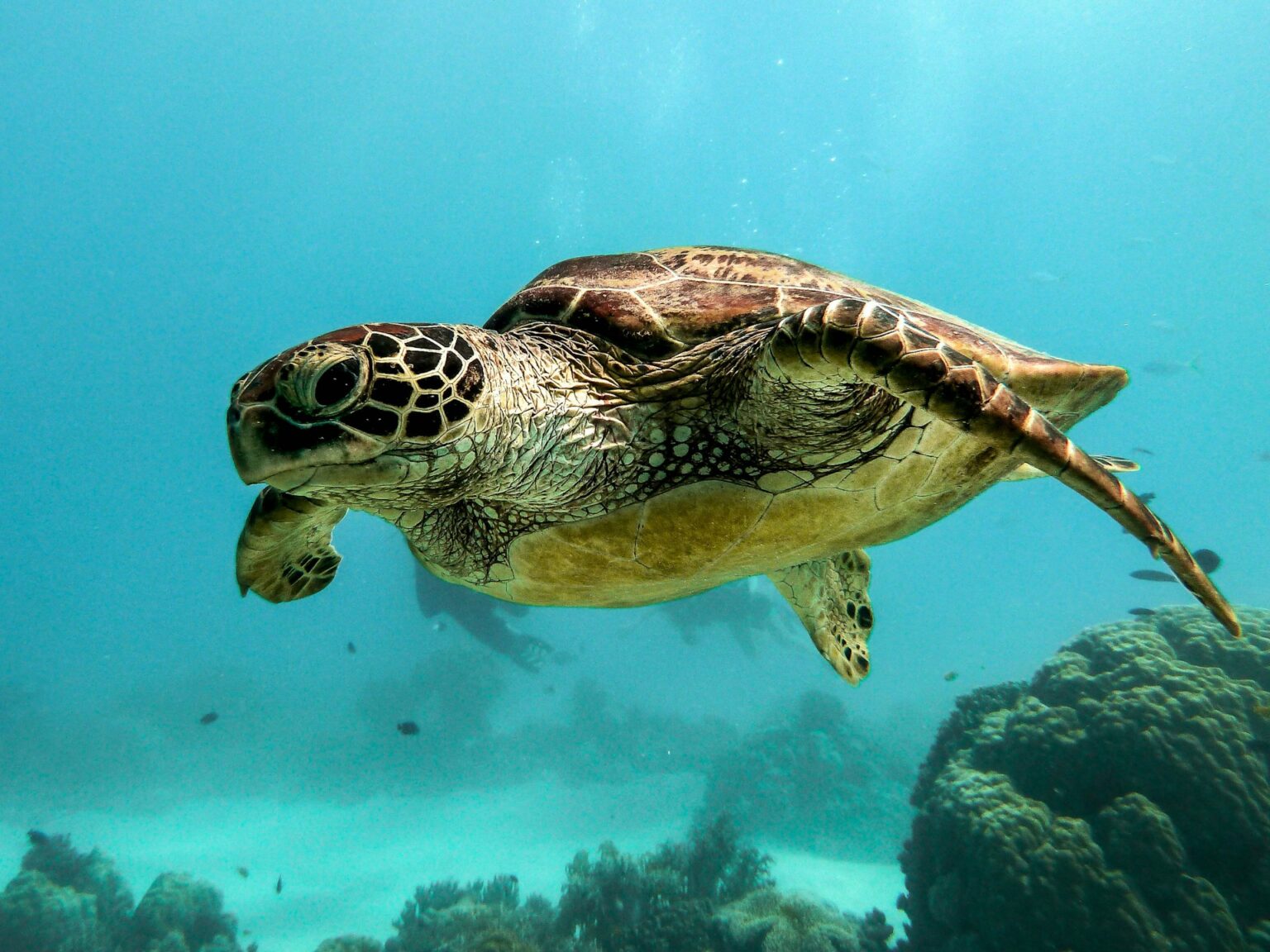
I arrived wanting to see a turtle.
I left thinking differently about tourism. When we booked our holiday to Zakynthos, I knew the island was famous for its loggerhead turtles. I knew there were nesting beaches. I knew there was a chance we might see one, and if I’m honest, that was about as far as my knowledge went.
Like most tourists, I thought: “Wouldn’t it be amazing to see a turtle?”
By the end of the holiday, I was thinking about something completely different.
The Day Didn’t Go To Plan
It was my birthday. I’d turned 53 in Greece, which felt like a pretty good place to do it.The original plan was simple… Go to the water park.
Unfortunately, my birthday fell on a Sunday and when we arrived, we discovered it was closed. So we swapped our plans around. Instead of spending the day on water slides, we headed towards the southern tip of Zakynthos.
Looking back, I think we accidentally had the better day.
The Turtles Are Part Of Zakynthos
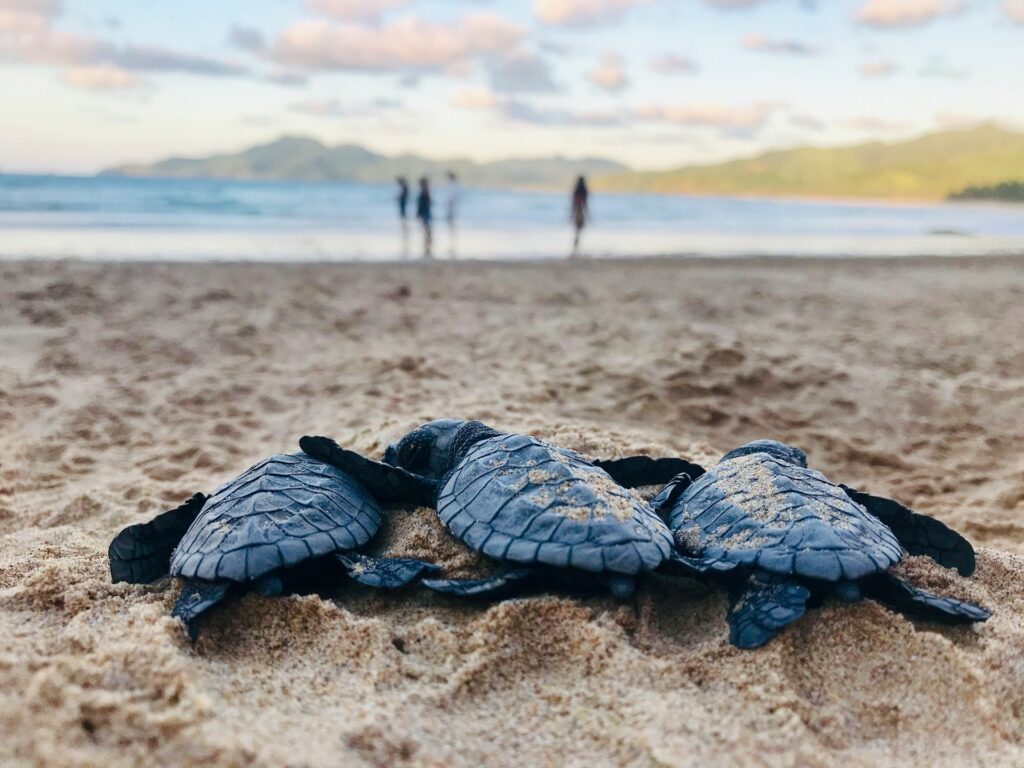
Once you start paying attention, you realise how important loggerhead turtles are to the island.
The National Marine Park of Zakynthos was created to help protect one of the most important loggerhead turtle nesting areas in the Mediterranean. The protected nesting beaches around Laganas Bay are recognised as being internationally significant for the species.
Entire beaches are managed around the turtles; some areas are protected, some beaches close at night, volunteers monitor nesting sites.
Conservation isn’t an optional extra. It’s part of everyday life on the island. It quickly became obvious that the turtles aren’t simply a tourist attraction.
They’re part of the identity of Zakynthos.
I Thought I Was Visiting A Rescue Centre
In reality, I left with an education. The conservation centre was run by a wonderfully knowledgeable British man who somehow managed to be both passionate and practical at the same time. There was no pressure. No sales pitch. No attempt to make anybody feel guilty. Just somebody who cared deeply about turtles and wanted visitors to understand why they mattered.
- We learned about loggerhead turtles.
- We learned about rescued terrapins.
- We learned about nesting beaches.
And perhaps most importantly, we learned about the impact people like me have on the places we visit.
The Thing That Surprised Me Most Was Sand
Not turtles. Sand. I had never once considered where beach sand goes. Why would I?
Then I learned that increasing tourism can slowly remove huge amounts of sand from beaches over time. Tiny amounts stick to feet, towels, swimming costumes and shoes.
Repeated thousands of times every summer.
The conservation centre had a simple sand recovery system. Visitors could shower before leaving. The recovered sand was collected and later returned to the beach. Such a simple idea.
Yet it completely changed the way I looked at something I’d never previously considered.
Even Paul Came Away Thinking Differently
One of the reasons this visit stayed with me is that it wasn’t just me who learned something. I’m the animal lover in our family. I’m the person who reads every information board, the one who asks too many questions. The one who can become mildly obsessed with wildlife.
Paul is far more practical than I am, yet even he came away talking about what we’d learned.
The turtles were fascinating, but the conversations were even more interesting.
- Beach erosion.
- Plastic pollution.
- Light pollution.
The challenges of protecting wildlife whilst supporting tourism. It wasn’t the sort of discussion either of us expected to be having on holiday. Yet there we were. Talking about conservation over dinner.
The Statistics Were Difficult To Ignore
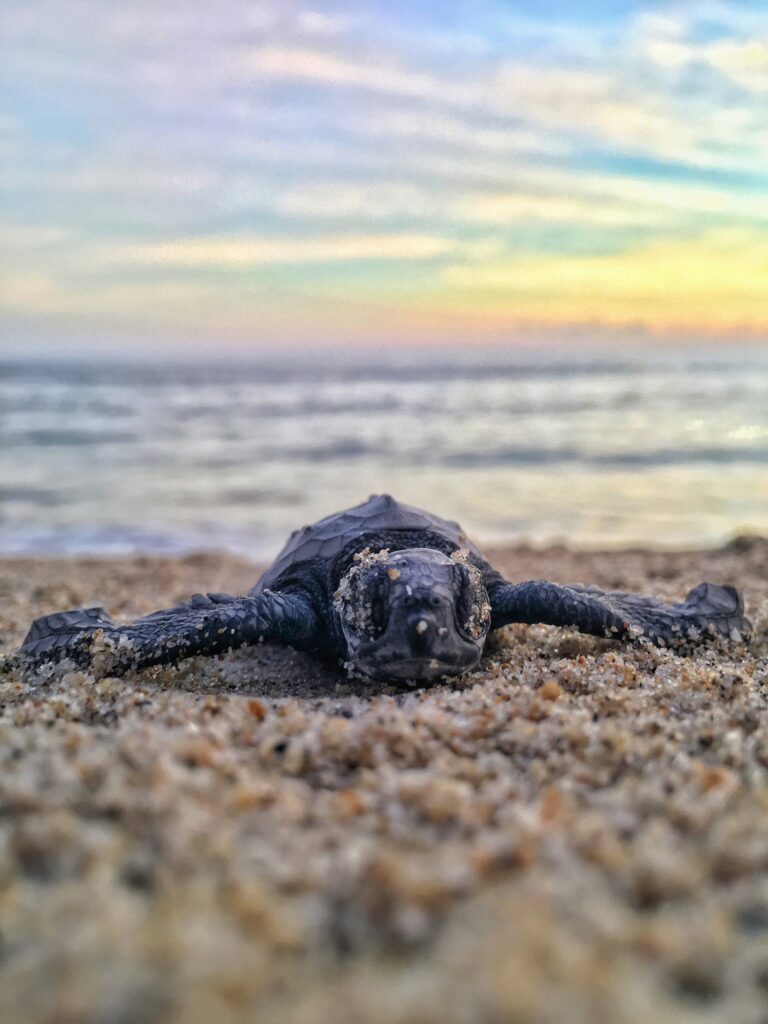
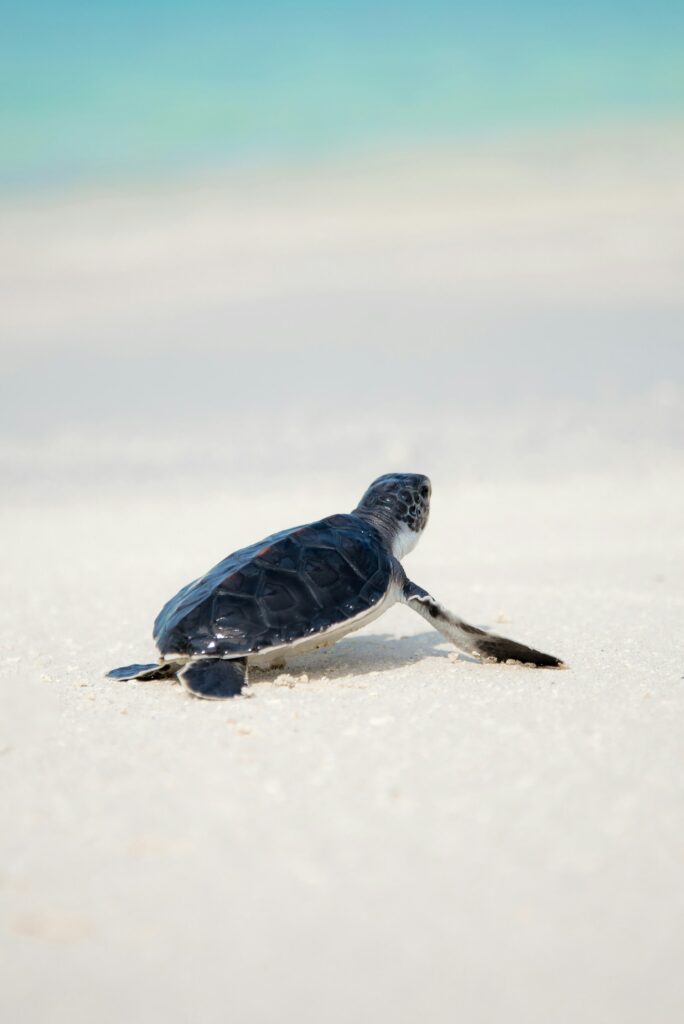
One fact has stayed with me more than any other. Only a tiny proportion of hatchlings survive to adulthood. Conservation groups working in Zakynthos estimate that only around 1 in every 1,000 hatchlings reaches adulthood because of predators, plastic pollution, fishing activity and human interference. The odds are stacked against them from the very beginning.
Suddenly the protected nesting areas felt even more important.
Good Intentions Can Still Cause Harm
This was another lesson I wasn’t expecting.
Most people love turtles. That’s the problem. When baby turtles hatch, many visitors instinctively want to help them. Pick them up. Move them closer to the sea. Give them a helping hand. Except that’s exactly what they shouldn’t do. What looks like kindness can actually interfere with natural behaviour.
The lesson wasn’t: “Don’t care.”
The lesson was: “Care enough to understand.”
I’ve thought about that sentence a lot since returning home.
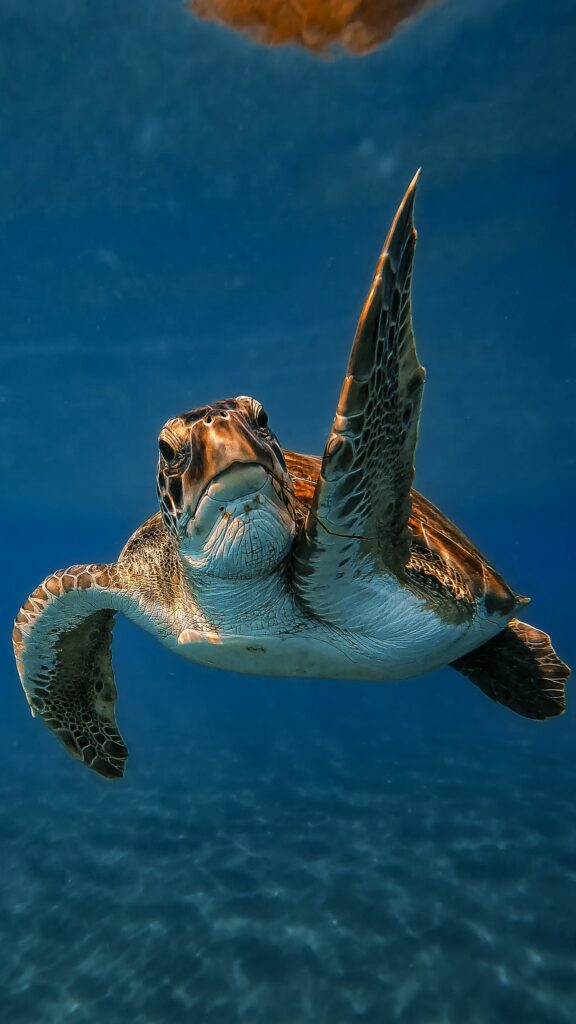
We Did See A Turtle
In Laganas Harbour. And yes, I was excited…. Very excited.
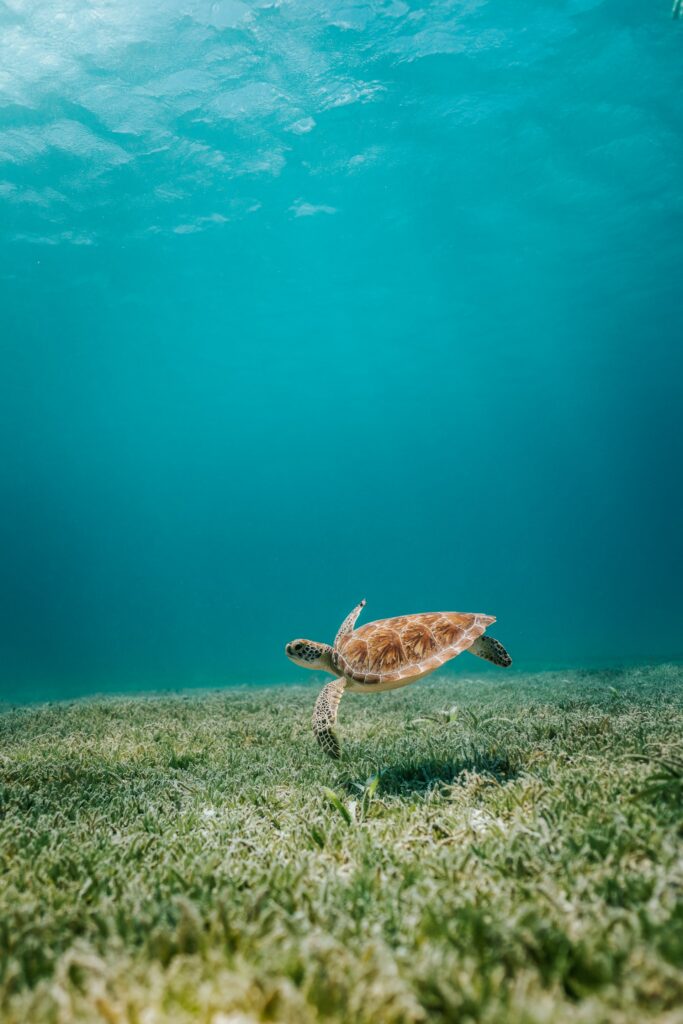
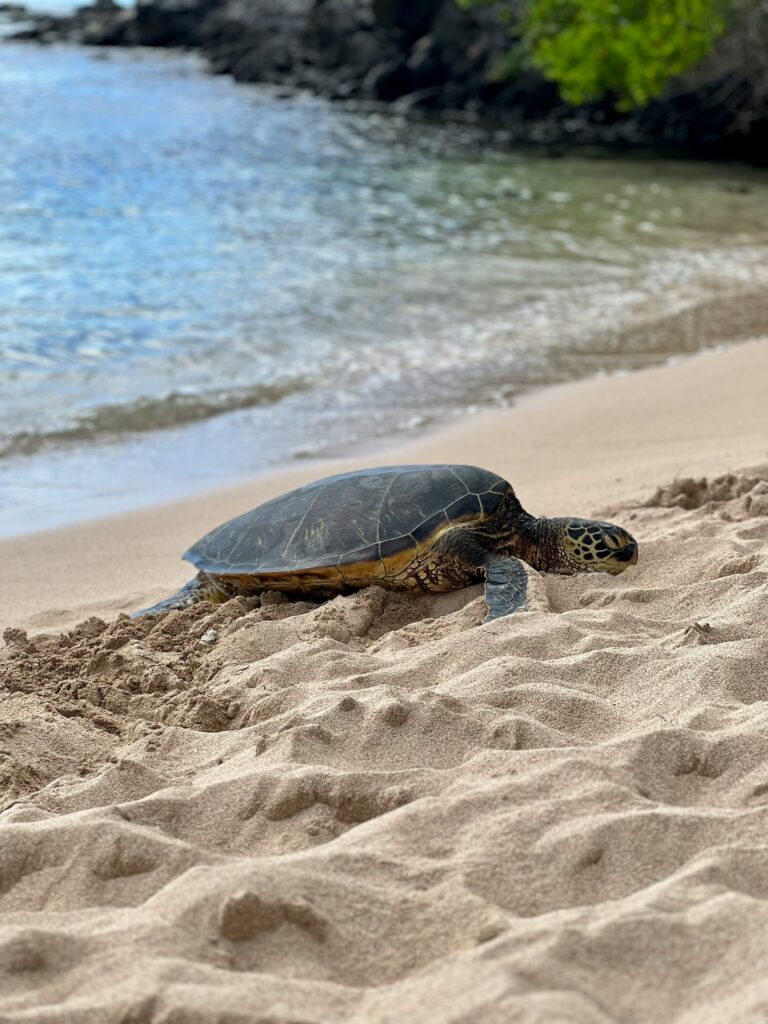
I’d wanted to see one. Certain areas make sightings more likely because turtles know food is available there. At the time, I thought it was wonderful. Then I remembered the conversations we’d had earlier.
The turtles were adapting because of us. Because of tourism. Because humans had changed their environment. Suddenly the sighting felt a little more complicated.
Not less exciting. Just more thought-provoking.
The Plastic Lesson Hit Hardest
Of everything I learned that day, this was probably the most sobering.
Turtles cannot distinguish plastic from food. They eat it. It doesn’t digest and often the consequences are fatal. Like most people, I already knew plastic pollution was bad, but hearing the direct impact on animals I’d spent an entire afternoon learning about made it feel far more real.
Sometimes statistics become meaningful only when you connect them to something you care about.
The Lesson Wasn’t Really About Turtles
The thing I’ve thought about most since returning home isn’t actually the turtles, It’s responsibility.
Like many travellers, I often focus on what a destination can give me.
- Beautiful views.
- Amazing wildlife.
- Memories.
- Experiences.
- Relaxation.
This experience gently turned that question around; what do I give back?
- Do I respect protected areas?
- Do I take my litter away?
- Do I think about wildlife before trying to get the perfect photograph?
- Do I leave places in a condition that allows future visitors to enjoy them too?
I don’t think any traveller gets those things right all the time. I certainly don’t.
But I came away from Zakynthos more aware of the question than I’d ever been before.
Why The Turtles Changed The Way I Travel
I arrived hoping to see a turtle, and I did.
But the turtle isn’t really what I remember most. I remember the conversations, I remember the conservation work, I remember learning about nesting beaches, I remember the sand recovery system.
I remember realising how much effort goes into protecting wildlife that many visitors take for granted.
Most of all, I remember understanding that being a tourist comes with responsibilities. Not to avoid travel, not to stop exploring, but to pay attention. To be thoughtful and respectful.
To recognise that the places we love are often far more fragile than they appear.
The Real Lesson
When people ask me about Zakynthos, they usually expect me to talk about the beaches, or the coastline, or Shipwreck Beach, or the extraordinary colour of the sea.
All of those things deserve the attention they receive, but one of the most important experiences I had on the island happened nowhere near a famous viewpoint.
It happened because somebody took the time to explain why a turtle mattered.
I arrived in Zakynthos hoping to see a turtle. I left thinking differently about tourism.
Because travel isn’t just about what we take away from a place, it’s also about what we leave behind. A footprint in the sand, a piece of litter, a disturbance to wildlife.
Or, hopefully, nothing at all.
The turtles of Zakynthos didn’t just teach me about conservation. They reminded me that the places we love need protecting and that being a good traveller means thinking about more than your own holiday.
That’s a lesson I’ll carry with me long after I’ve forgotten what colour the sea was on any particular day.