

Travel Tips, Packing Advice and Everything We Wish We’d Known Before We Went

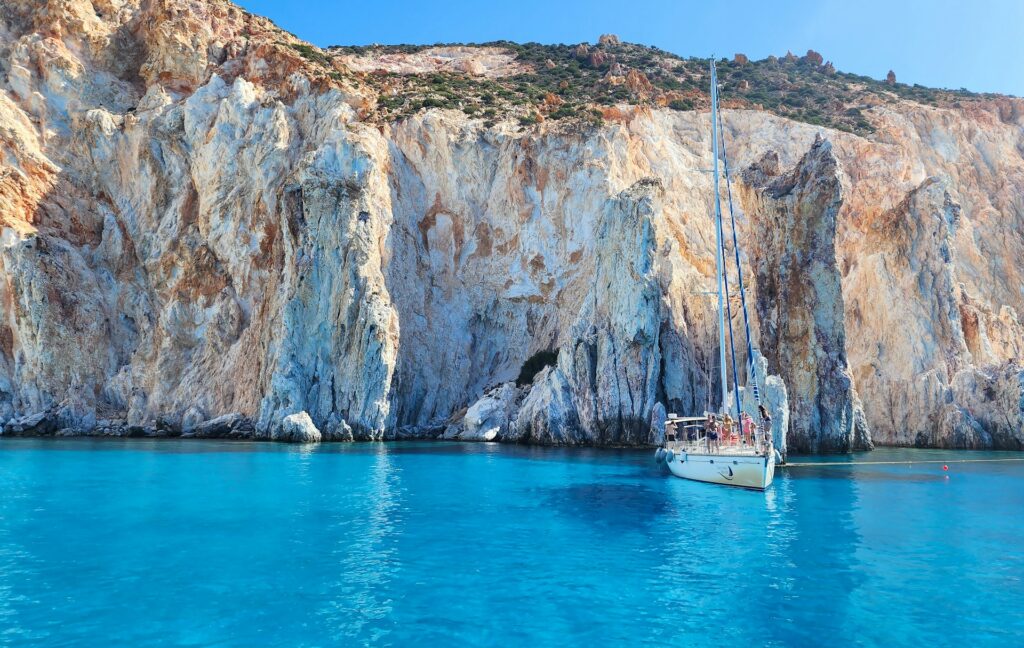
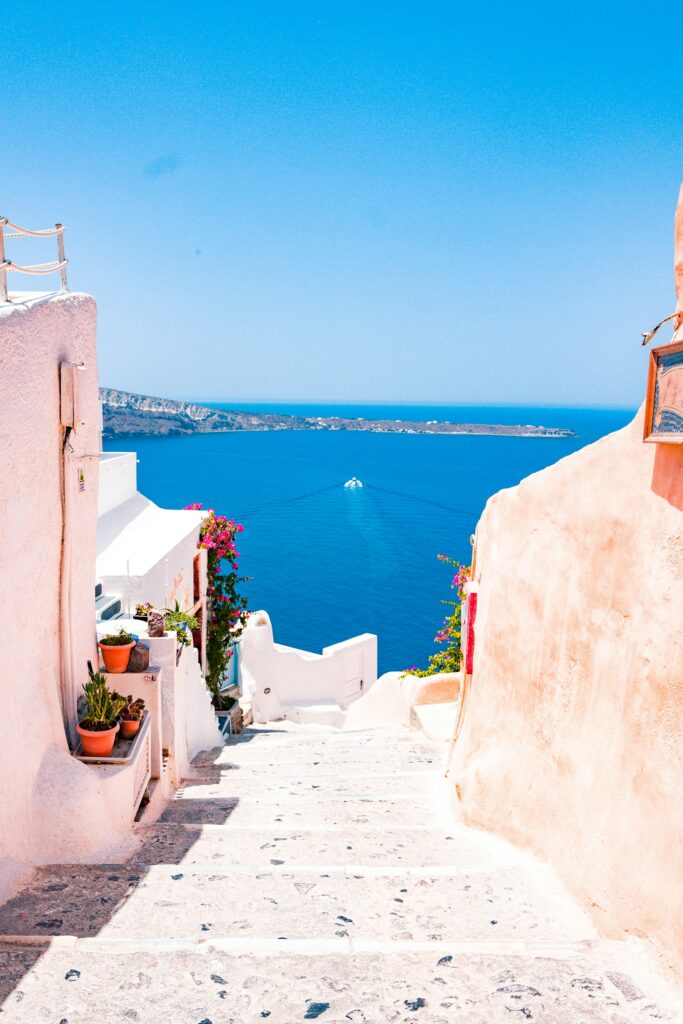
Planning a Greek Island holiday? Whether you’re visiting Corfu, Rhodes, Crete, Kos, Zakynthos, Kefalonia or one of the many smaller islands, Greece remains one of the best destinations in Europe for couples seeking sunshine, beautiful beaches, fantastic food and a slower pace of life.
My husband and I have visited several Greek Islands over the years and have picked up plenty of useful Greek Island travel tips along the way. From the best time to visit the Greek Islands and hiring a car in Greece, to avoiding mosquito bites and understanding tourist tax rules, here’s everything we wish we’d known before our first trip.
If you’re planning a Greek Island holiday, visit in June or September for fewer crowds, hire a car to explore beyond the resorts, budget for Greek tourist tax, pay extra for air conditioning if it’s offered as an optional extra and never underestimate the mosquitoes. Most importantly, slow down, embrace the relaxed Greek pace of life and enjoy as much authentic Greek food as possible.
When Is the Best Time to Visit the Greek Islands?
In our experience, June and September are the best times to visit the Greek Islands.
The weather is warm, the sea is ideal for swimming and most restaurants, bars and attractions are fully open for the season. Better still, the islands are often significantly quieter than during July and August.
Benefits of visiting the Greek Islands in June or September include:
- Less crowded beaches
- More available sunbeds
- Easier restaurant reservations
- Fewer tourists at popular attractions
- Comfortable temperatures for sightseeing
For couples looking for a relaxing Greek Island holiday, these months offer the perfect balance between sunshine and tranquillity.
Why Are the Greek Islands So Popular With Couples?
The Greek Islands are one of the most romantic holiday destinations in Europe.
One day can be spent exploring hidden villages and secluded beaches, while the next can be dedicated entirely to reading by the pool, enjoying a long lunch overlooking the sea or watching a spectacular sunset.
My husband and I love the fact that the Greek Islands allow you to be as adventurous or as relaxed as you choose.
There is no pressure to rush around. Life slows down, people take their time and holidays feel exactly as they should.
What Is the Pace of Life Like on the Greek Islands?
One of the things we love most about Greece is the slower pace of life.
Meals are leisurely, service is rarely rushed and people seem to genuinely enjoy living in the moment.
Visitors from the UK also quickly notice that health and safety can be approached rather differently. You may see somebody balancing a ladder on top of a lorry while fixing a sign or find a rope acting as a barrier next to a dramatic cliff edge.
Rather than worrying about it, embrace it.
It’s all part of the charm and authenticity that makes Greece such a special place to visit.
What Traditional Greek Food Should You Try on a Greek Island Holiday?


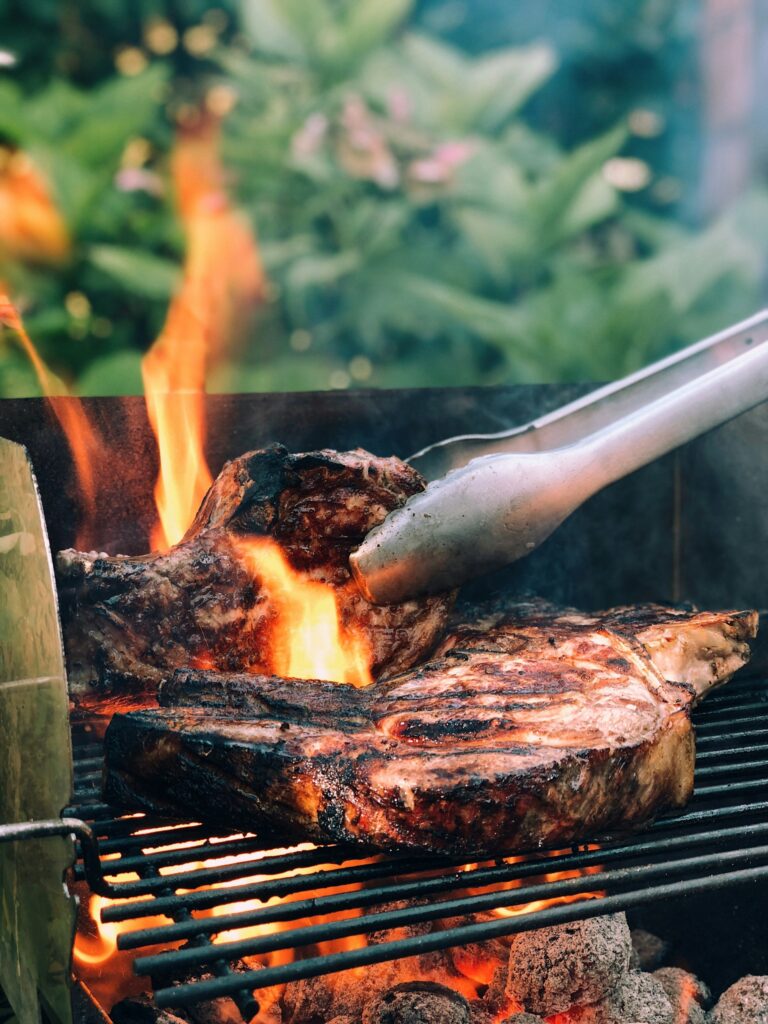
Greek food is one of the biggest reasons we keep returning.
We almost always choose self-catering accommodation because it allows us to eat in local tavernas whenever we want and enjoy as much authentic Greek cuisine as possible.
Traditional Greek dishes worth trying include:
- Moussaka
- Souvlaki
- Kleftiko
- Stifado
- Gemista (stuffed vegetables)
- Fresh grilled sea bass
- Fresh calamari
- Spanakopita
- Slow-cooked lamb dishes
Vegetarian options can sometimes be more limited than travellers expect, but there are still plenty of excellent choices.
Some of our favourites include:
- Greek Salad
- Dolmades (stuffed vine leaves)
- Briam
- Tzatziki
- Fava
- Gigantes Plaki
The best food is often found in small family-run tavernas away from the busiest tourist areas.
Is Self-Catering Better Than All-Inclusive in Greece?
For us, absolutely.
One of the biggest advantages of self-catering accommodation is having the freedom to experience local restaurants rather than eating every meal in a hotel.
It’s also a surprisingly good way to manage your holiday budget.
We often enjoy breakfast on our balcony with:
- Greek yoghurt
- Fresh fruit
- Honey
- Pastries
- Coffee
Then we save our appetite for leisurely lunches and evening meals in local tavernas.
Is Hiring a Car in Greece Worth It?
Without question.
Many tourists rarely venture beyond their accommodation, but some of the most spectacular beaches, viewpoints and villages are found away from the main resorts.
Hiring a car allows you to:
- Discover hidden beaches
- Explore authentic villages
- Visit local markets
- Find stunning viewpoints
- Experience a more authentic side of the island
Some of our favourite holiday memories have come from simply driving around with no destination in mind and stopping whenever we spotted somewhere interesting.

Can You Hire a Boat in Greece Without a Licence?
In many areas, boats up to 60HP can be hired without a licence.
Hiring a boat is one of the best ways to explore the Greek coastline and discover hidden beaches and coves that are inaccessible by road.
There is one important piece of advice we would give.
Pay very close attention when you’re shown how to use the anchor.
An anchor stuck underneath rocks can quickly turn a relaxing day into a stressful one!
Are Mosquitoes a Problem on the Greek Islands?
Yes.
Many visitors assume that being surrounded by the sea means there won’t be mosquitoes. Unfortunately, that’s not always the case.
We never travel to Greece without:
- Strong insect repellent
- Plug-in mosquito repellents
- Mosquito room spray
- After-bite treatment
You may not need them every day, but you’ll definitely be pleased you’ve packed them when you do.
What Should You Pack for a Greek Island Holiday?
Packing for Greece doesn’t need to be complicated, but there are a few essentials we wouldn’t travel without.
Our must-pack items include:
- High-factor sunscreen
- Sunglasses
- Lightweight hat
- Travel adapters
- Reusable water bottle
- Waterproof phone case
- Packing cubes
- Mosquito protection
- Portable washing line
We always travel with less luggage than people expect and wash clothes during our stay. A lightweight portable washing line takes up almost no room and helps keep luggage to a minimum.
Is Air Conditioning Included in Greek Apartments?
Not always.
If you’re booking self-catering accommodation, it’s important to check the details carefully.
Many apartments charge extra for air conditioning, either daily or weekly.
We’ve stayed both with and without air conditioning and can honestly say we’d pay for it every single time.
A cool room after a day spent exploring in the Mediterranean sun makes a huge difference to your comfort and sleep quality.
If it’s offered as an optional extra, we would strongly recommend taking it.
Do You Have To Pay Tourist Tax in Greece?
Yes.
Tourist tax applies to accommodation across Greece and is generally unavoidable.
Many hotels, villas and apartment owners collect the payment when you arrive rather than including it within your booking.
We always recommend carrying some cash, as many accommodation providers still prefer the charge to be paid directly.
It’s not usually a large expense, but it can catch first-time visitors by surprise.
Can You Drink Tap Water on the Greek Islands?
Practices vary from island to island, but we personally prefer to buy bottled water.
We use bottled water for drinking and brushing our teeth and generally stock up shortly after arriving.
A reusable water bottle is useful for carrying water throughout the day, especially when spending time on the beach, sightseeing or exploring villages in the summer heat.
Staying hydrated is essential during a Greek Island holiday.
Which Greek Island Resorts Should Couples Avoid If They Want Peace And Quiet?
If relaxation is your priority, there are a few destinations that are well known for nightlife and party holidays.
These include:
- Kavos, Corfu
- Faliraki, Rhodes
- Laganas, Zakynthos
Of course, if lively bars and late nights are your thing, you’ll probably have a fantastic time.
My husband and I tend to prefer quieter villages where the focus is on beautiful scenery, local food and a slower pace of life.
How Can You Make The Most Of A Greek Island Holiday?
Our biggest piece of advice is not to over-plan.
Absolutely explore.
Hire the car.
Take the boat trip.
Visit the villages.
But make sure you also leave time for:
- Beach days
- Pool days
- Reading by the sea
- Long lunches
- Sunset drinks
- Doing absolutely nothing
In fact, I always pack more books than I think I’ll need because I almost always finish them.
Those quieter moments often become the memories we treasure most.
Frequently Asked Questions About Greek Island Holidays
Is June a Good Time to Visit the Greek Islands?
Yes. June offers warm weather, fewer crowds and fully open resorts, restaurants and attractions, making it one of the best months to visit Greece.
Is September a Good Time to Visit Greece?
September is one of our favourite times to visit. The sea remains warm, temperatures are comfortable and the peak summer crowds have started to reduce.
Do You Need Mosquito Repellent in Greece?
We would strongly recommend packing mosquito repellent for any Greek Island holiday. Mosquitoes can be surprisingly active, especially during warmer months.
Can You Hire a Boat in Greece Without a Licence?
In many locations, boats up to 60HP can be hired without a licence, making them a fantastic way to explore hidden beaches and coves.
What Is the Tourist Tax in Greece?
Tourist tax varies depending on your accommodation and is generally paid directly to the accommodation provider upon arrival.
Final Thoughts
For couples looking for sunshine, beautiful beaches, authentic food and genuine relaxation, it’s hard to beat a Greek Island holiday.
Visit in June or September if possible, hire a car, consider a boat trip, pay for the air conditioning, budget for tourist tax and don’t underestimate the mosquitoes.
Most importantly, slow down, embrace the Greek way of life and enjoy every moment. Those are the experiences you’ll remember long after you’ve returned home.